
- 2
Hydrogen powers more resilient energy systems
ST Engineering is expanding its energy portfolio with hydrogen solutions for ports and naval bases. The company, based in Singapore, will help drive the decarbonisation of maritime activities and support a more resilient, available energy supply.
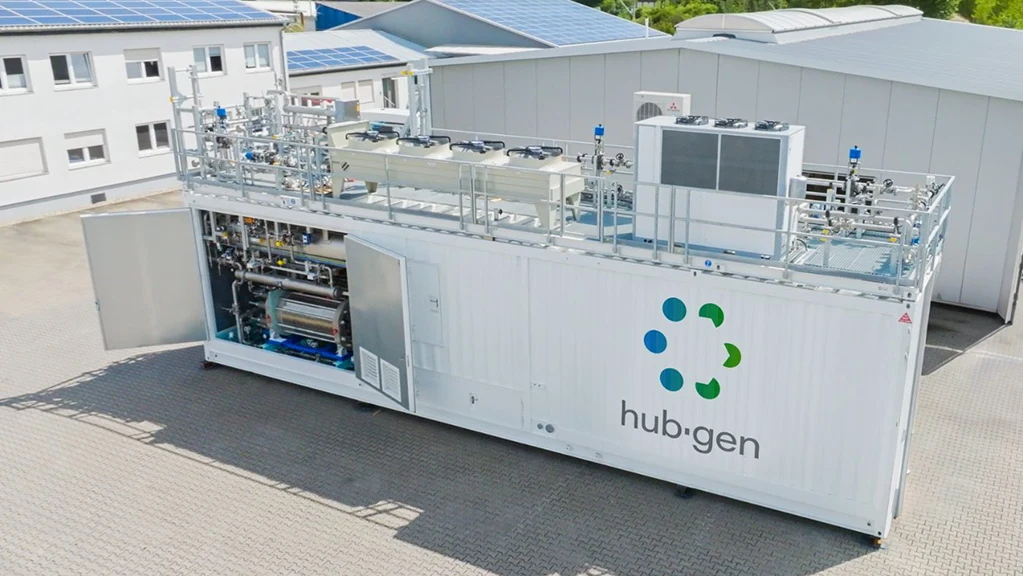
ST Engineering’s HubGen is a 1MW containerised electrolyser that produces hydrogen for more resilient port and naval base energy supplies.
© ST Engineering
ST Engineering is rounding out its naval portfolio with hydrogen solutions designed to help decarbonise the maritime industry while providing ports and naval bases with a more resilient energy supply. The goal is to reduce dependency on fuel shipped into ports and bases and on fixed infrastructure and, at the same time, build up energy reserves that can be used in the event of supply disruptions.
The company’s one-megawatt HubGen containerised hydrogen electrolyser is the pillar of its new hydrogen portfolio. Designed and manufactured in Germany, each unit can provide up to five megawatts of capacity. With HubGen, hydrogen can be produced where it is needed, and surplus electricity from renewable sources can be converted into hydrogen and stored for later use. The first commercial deployment of HubGen is at WAVE-H2, a large industrial testing facility at the University of Stuttgart, Germany. HubGen is the facility’s main hydrogen production technology.
In addition to HubGen, the company’s hydrogen portfolio also includes fuel cell systems that convert hydrogen into electricity for use onshore or on board ships, as well as a modular refuelling station capable of supplying up to 500kg of hydrogen per day. Finally, the company has also developed ship concepts with hydrogen propulsion systems.
A fuel cell system designed for a high-speed ferry conversion project was granted preliminary approval by Italy-based RINA (Registro Italiano Navale) and a classification assessment is underway for a 14.5-metre tugboat concept with a hydrogen fuel cell propulsion system.
ST Engineering is also developing an energy management and control system for supply-side and demand-side balancing in systems with renewable energy, hydrogen, and conventional energy sources. The system, still under development, is designed to optimise the use of different energy sources and the storage of surplus energy reserves. It will also provide a real-time overview of energy assets to make resource management more efficient and predictable.
And, because maritime and critical infrastructures depend on secure, reliable energy, the system’s architecture is cybersecure by design.
“Simply adding more energy sources does not make an energy system resilient. You also need to be able to generate, store, and distribute energy in a way that guarantees uptime, even if the supply chain or energy grid is disrupted,” said Michael Gauglitz, Vice President and Head of Business Development at ST Engineering Energy Solutions. “Furthermore, energy systems are becoming more interconnected, making cybersecurity increasingly important.”
With its holistic approach to making energy systems more resilient, ST Engineering is bringing ports, naval bases, and emergency response services greater control over their energy supply with solutions that facilitate the use of lower-carbon electricity for port operations and that support service continuity in the event of disruptions to the energy supply or electricity grid.
- Linda Verhaeghe


